
Autism Spectrum Disorder (ASD)—Symptoms, Treatment, and Support
What is Autism Spectrum Disorder?
Autism Spectrum Disorder (ASD) is a neurodevelopmental disorder that affects a child’s ability to communicate, socialize, learn, and experience the world. Every autistic child is different. Some children may be fluent speakers but have problems with social interaction. Some may use a limited vocabulary or communicate using gestures, pictures, or other means.
The word ‘spectrum’ means that autism affects children in different ways and to different degrees. Some children may need help xsij with everyday tasks; others may need more specialist, ongoing support.
At Wisdom Special School, we believe the first step in helping a child learn, communicate, and become independent is recognizing their unique needs.
What is the Cause of Autism?
We do not know about causeless autism or causes of autism. Much of the research on brain development is thought to be based on genetic and biological factors. There are probably many different factors that make autism more or less likely, but no single factor accounts for all of the cases.
Parents need to understand that autism is not caused by how a child is raised, lack of love, or poor parenting. Vaccines don’t cause autism.
Parents are not at fault when their child is diagnosed with autism. Instead, the focus should be on understanding the child’s needs and providing adequate support as early as possible.
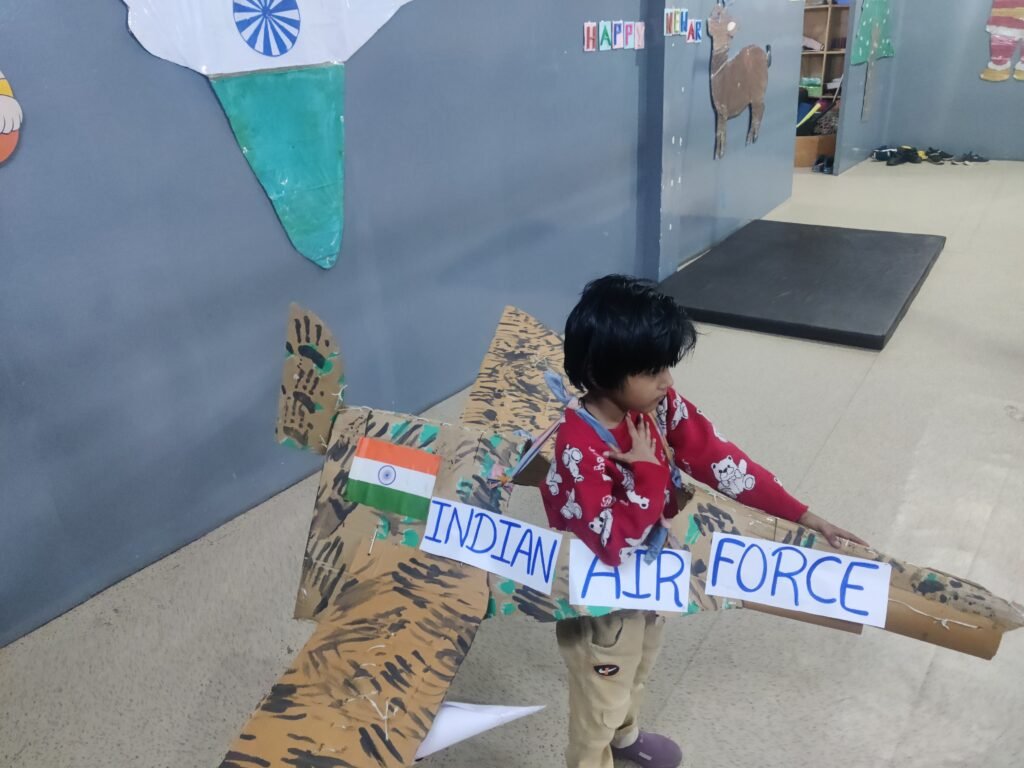
How to Spot Autism: Signs & Symptoms
Some early signs of autism are visible early on; others may be identified later. Common traits include variances in communication, social interaction, play, behaviour, and sensory responses.
Differences in Communication
• The child may be a late speaker.
• The child may only be able to say a few words or may not speak at all.
• The child may repeat words or phrases from others.
• The child may have difficulty expressing what they want, feel, or choose.
• The child might have trouble trying to follow directions or maintain a conversation.
Variations in Social Interaction
• The response to the child’s name may vary.
• The child may have trouble sharing attention or interests with other people.
• The child may have difficulty joining in play with other children. The child may communicate differently through gestures, facial expressions, or eye contact.
Repetitive behaviours and interests
• Rearranging toys in a specific way, over and over.
• Repetitive motions like hand flapping, rocking, or spinning.
• Children may exhibit repetitive behaviours, such as repeating the same things or behaving in the same way over and over.
• Getting upset when familiar routines are disrupted.
• Children may develop intense interests in objects or topics.
Differences in Sensory
Some children are sensitive to loud sounds, bright lights, particular textures, or certain smells. Others will want motion, touch, or specific sensory experiences.
Not all children will have these features. A professional evaluation is necessary because some of these signs may also appear in non-autistic children.
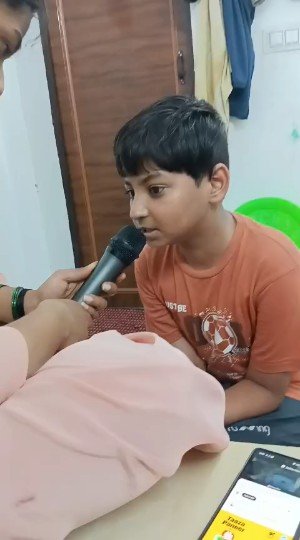
How many kinds of autism are there?
Today, there is one diagnosis of autism: there is one diagnosis of autism, Autism Spectrum Disorder (ASD). In the past, other names were used to refer to some developmental profiles. The previous terms included autistic disorder, Asperger syndrome, and Pervasive Developmental Disorder—Not Otherwise Specified (PDD-NOS). These criteria are now included in the ASD diagnosis.
Professionals do not categorize children rigidly; instead, they consider each child’s unique needs for communication, learning, behaviour, and support.
The term “support levels” may also be used in clinical diagnosis:
• Level 1: requires assistance.
• Level 2: Needs substantial assistance.
• Level 3: needs extensive support
These levels show the level of support a person may need in certain areas. They do not make an assessment of the value, potential, or all aspects of a child’s abilities. Support needs can vary from one situation to another.
Signs That a Child May Have Autism
Parents and teachers might notice differences in a child’s development, for example, in communication, play, response to others, and everyday routines.
For example, a child might respond sometimes to his or her name, use few gestures, have trouble sharing attention, repeat certain movements, or become very upset when routines are changed.
But no one behaviour confirms autism. If a child isn’t talking, isn’t making eye contact, or is playing alone, it doesn’t automatically mean they’re autistic.
If parents or teachers have concerns, they should consult a qualified health care professional, such as a developmental pediatrician or other clinician experienced in the assessment of autism. This evaluation may include developmental history, parent interviews, observation of the child, and standardized assessment tools. Other developmental needs, like hearing and language, may need to be assessed.
The early assessment allows children to receive the appropriate educational and therapeutic support without any unnecessary delay.
Understanding behaviour in children with autism
A child’s behaviour is often a response to the environment or a means of expressing a need. When a child struggles to articulate discomfort, frustration, fear, or confusion, they may resort to acting out as a means of expression.
Some children may cry, scream, run away, refuse to do things, throw things, or become overstimulated by noisy surroundings. Some may engage in repetitive behaviours, need familiar routines, or avoid certain activities.
Before responding to a behaviour, adults should ask, “What might the child be trying to communicate?”
For example, a child crying during a classroom activity might be overwhelmed by noise, a difficult task, tiredness, or not being able to ask for a break. Understanding the reason helps adults respond more effectively.
Repetitive movements, sometimes called “stimming,” may help a child regulate sensory experiences or emotions. “These movements should not be automatically stopped unless they are a safety concern or are seriously affecting the child’s well-being.
Why does a child with autism need therapy?
Therapy can help children improve communication, participate in daily activities, develop practical skills, and work on specific challenges. What works best is dependent upon the needs and goals of the individual child.
The Speech and Language Therapist
Speech therapy helps you to understand, communicate, and grow language. Children can learn useful words, how to ask for things, take turns, and understand instructions and choices.
Nonverbal children can learn to communicate using gestures, picture cards, sign systems, or Augmentative and Alternative Communication (AAC).
Occupational Therapy
Occupational therapy can help with daily living skills such as dressing, eating, use of utensils, and participation in the classroom. It can also assist with some sensory or motor needs.
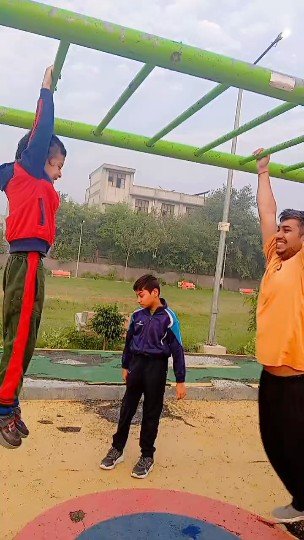
Best Learning
Individualized learning activities can help children develop skills in areas like attention, early learning, problem-solving, communication, and self-help.
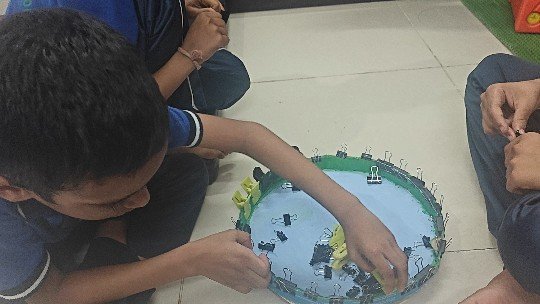
Developmental & Behavioural Support
Structured teaching, positive reinforcement, play-based learning, and developmentally appropriate methods can effectively teach them useful skills. Strategies should be child-specific and respectful of his dignity and well-being.
The goal of therapy is not to get every autistic child to behave the same. It aims to help every child to communicate, learn, participate, and achieve meaningful personal goals.
Why Do We Need a Home Plan with Parents?
Children’s time is spent largely at home, and family participation is an important part of children’s development. Having the same goals between parents and therapists allows for more practice of a child’s skills in daily routines.
No complex home plan is required. It could be as simple as
• Giving the child two toys or foods to choose from.
• Assisting a child in requesting water, help, or a preferred item.
• Explanation of daily routines through pictures.
• Looking at picture books together and naming everyday objects.
• Easy instruction play.
• Encourage dressing, eating, and putting away toys according to the child’s developmental level.
Provide children plenty of time to respond, use simple language, and recognize small achievements. If a child doesn’t talk, parents should encourage gestures, pictures, and other forms of communication rather than demand words.
Parents, teachers, and therapists communicate regularly so everyone is aware of what is working and what needs to be changed.
The Significance of a Social Skills Plan
Social skills can boost children’s confidence to take part in activities at home, at school, and in the community. Some children with autism may need a little extra help learning how to deal with social situations, take turns, talk with friends, or join in group activities.
A social skills plan might include:
• Playing simple games to practice taking turns.
• Begin with one known child and then add a larger group of children.
• Teach children how to ask for help or request a toy.
• Using pictures or social stories to explain what may happen during an activity.
• Practice greetings, waiting, sharing, and asking for a break.
• Visiting familiar places in the community with appropriate assistance is essential.
Children are not to be forced into activities, but adults should gradually introduce them to those activities. It’s not about making all kids social but about helping them join in, make friends if they want, and express their needs.
How do we change behaviour for the good?
Behaviour modification is teaching a child how to communicate and respond to everyday situations in a safer and more effective way. Instead of just punishing the child, the goal should be to understand the reason for the child’s behaviour and to teach the child a new skill to implement.
Step 1: Watch the Behaviour.
Note what preceded, occurred during, and followed the behaviour. For example, does the child cry when a task begins, when a favorite toy is removed, or when the room is noisy? Step 2: Identify the probable cause: The Child may be seeking attention, asking for something, avoiding a challenging task, in pain, or overstimulated by sensory input. Don’t assume the reason; evaluate it.
Step 3. Offer a Different Response
If the child throws objects because they are unable to ask for help, teach the child to ask for help using a word, gesture, picture card, or communication device.
If the child is upset when the activity is over, use a visual timer, a first-then board, or a warning before the transition.
Step 4. Strengthen Useful Skills
Use an appropriate method of communication to respond to the child; take a turn or complete a small task with encouragement that is meaningful to the child. Reinforcement should be positive, respectful, and age-appropriate for the child.
Step 5: Review and revise your plan.
Test out this strategy. If the behaviour persists, worsens, or poses a safety risk, seek the advice of a qualified professional. Pain or illness can also cause a sudden behaviour change, necessitating a medical assessment.
Behaviour plans should exclude humiliating, harsh punishment, or the withholding of basic needs. The safety, comfort, communication, and dignity of the child must be paramount.
A simple daily support plan for parents and educators.
Routines can make the day more predictable and provide chances to learn. The schedule needs to be adjusted for the age, interests, abilities, and energy levels of the child.
Morning: Practice greeting, choosing clothes, and simple visual routines.
During play: Use favourite toys to encourage requesting, imitating, turn-taking, and shared attention.
Meal times: Encourage the child to ask for food or water using their means of communication and practice self-help skills appropriate to the child’s age.
Learning: Brief activities, clear instructions, visual cues, and breaks as needed.
In social activities: Practice taking turns, asking for help, and playing with others in a comfortable setting.
Evening: Read a picture book, review familiar routines, and discuss observations with family or therapist.
You don’t have to turn every minute into a therapy session, parents. It’s also about everyday routines, loving relationships, sleep, and fun play.
How Wisdom Special School Supports Autistic Children
We recognize that each child at Wisdom Special School has their own individual strengths, interests, ways of learning, and support needs. We don’t just treat the diagnosis; we take a broad approach to the child.
Children can achieve realistic goals in communication, social participation, self-help, learning, and independence through individualized education activities, communication-based learning, structured routines, and working with families and other professionals.
We believe parents are key partners in a child’s development. Families and teachers can work together to create a more consistent, supportive learning experience by sharing observations, setting achievable goals, and celebrating progress.
Each child with an autism spectrum disorder is affected differently. Knowing the signs, possible causes, communication differences, and behavioural patterns can help prepare families to know when it may be time to seek professional help.
Speech therapy, special education, occupational therapy (as appropriate), positive behaviour support, social learning opportunities, and a practical home plan can help children learn skills that will make their lives better each day.
At Wisdom Special School, we believe that every child is different, and our approach is one of patience, understanding, and respect. Every child needs to be in a caring environment that offers opportunities to communicate, learn, participate, and develop.